


The Post-Bathing Hygiene &
Safety Challenges in Hospitals
Bathing a patient is a routine part of healthcare, but the moments immediately afterwards can have a significant impact on safety, hygiene, and staff efficiency. Wet floors increase the risk of slips and falls, while reusable towels require continuous handling, laundering, and strict infection control measures. Healthcare staff also spend valuable time assisting patients with drying, repositioning, and post-bathing care, adding to demanding workloads in busy clinical environments.

Wet floors
Wet floors increase patient fall risk after bathing.

Towel handling
Linen towels require ongoing handling by healthcare staff.

Cross-contamination risks
Shared towels increase the number of contact points.

Slip-and-fall liability
Patient falls carry serious clinical and legal weight.

Laundry cost
Hospital-grade laundering costs more than standard use.

Patient comfort
Towel drying often feels uncomfortable for patients.

Staff workload
Manual drying adds time to demanding shifts.
Why Hospital Bathrooms
Are High-Risk Environments
Hospital bathrooms operate under a different kind of pressure than most other facilities. Patients cycle through constantly, often with limited mobility, while moisture builds up throughout the day across shared spaces. Staff carry the added task of managing towels and drying manually, all while infection control remains a constant, unspoken priority in the background.

High patient turnover
Hospital bathrooms are used by a constant stream of patients throughout the day, often back-to-back with little time between visits. This nonstop cycle means wet conditions rarely have a chance to fully clear before the next patient needs the space.

Constant moisture
Between bathing, cleaning routines, and frequent use, hospital bathrooms stay damp for extended periods throughout each shift. This ongoing moisture makes it difficult for floors and surfaces to remain fully dry, even with regular staff attention and cleaning efforts.

Shared bathroom facilities
Many hospital patients rely on shared bathroom spaces rather than private ones, increasing the number of people passing through the same wet area. This shared use raises the chances of surface contact between patients who may have different health conditions.

Towel handling by staff
Nursing staff and aides are responsible for managing towels during patient bathing, adding another manual task to already demanding shifts. This handling process depends on consistency, and any lapse can directly affect patient hygiene outcomes.

Infection control challenges
Wet, shared bathroom spaces complicate infection control efforts that hospitals already work hard to maintain. Moisture and contact points make it harder to fully eliminate risk, even with strict cleaning protocols and regular staff training in place.

Exposure to pathogens
Damp towels and surfaces can make hygiene management more challenging in clinical environments. This creates an ongoing exposure risk for patients, particularly those with weakened immune systems or existing health conditions.

Fall risks for patients
Many hospital patients already face mobility limitations, making wet bathroom floors a serious and immediate fall hazard. A single fall in this setting can lead to further injury, complicating recovery and extending a patient's overall hospital stay.

Liability concerns
Patient falls tied to bathroom conditions carry significant legal and financial weight for healthcare facilities. Any incident involving a vulnerable patient is scrutinized closely, making prevention efforts closely tied to both patient safety and institutional risk.
Body Drying System for Hospitals
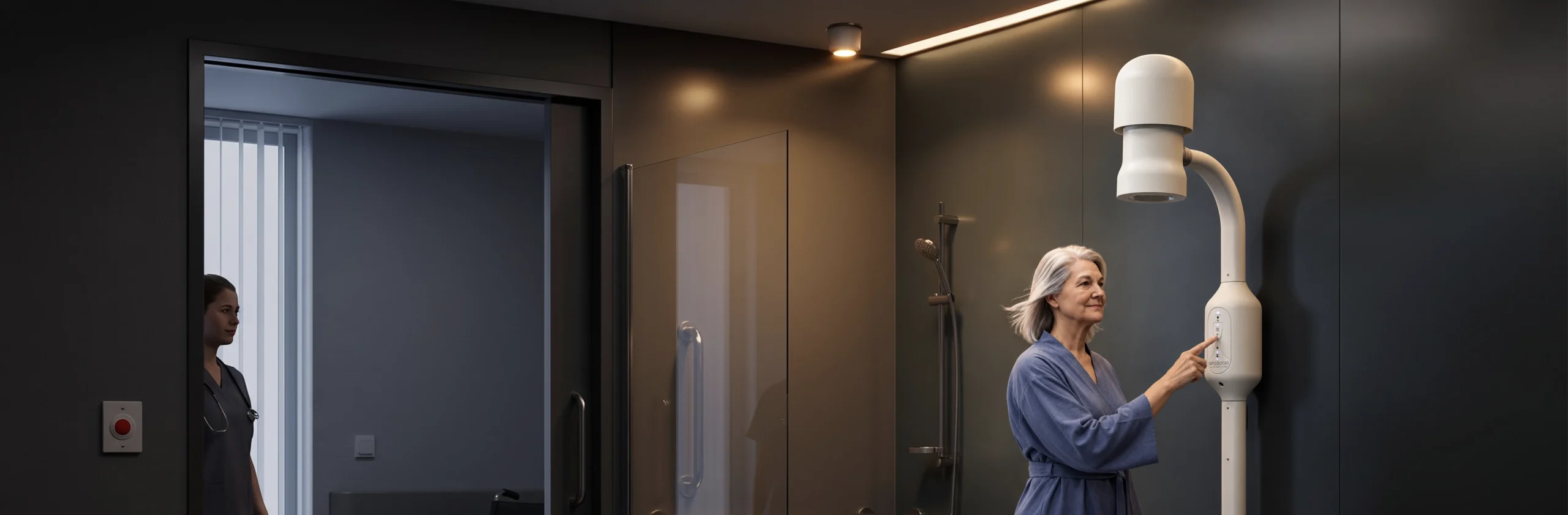
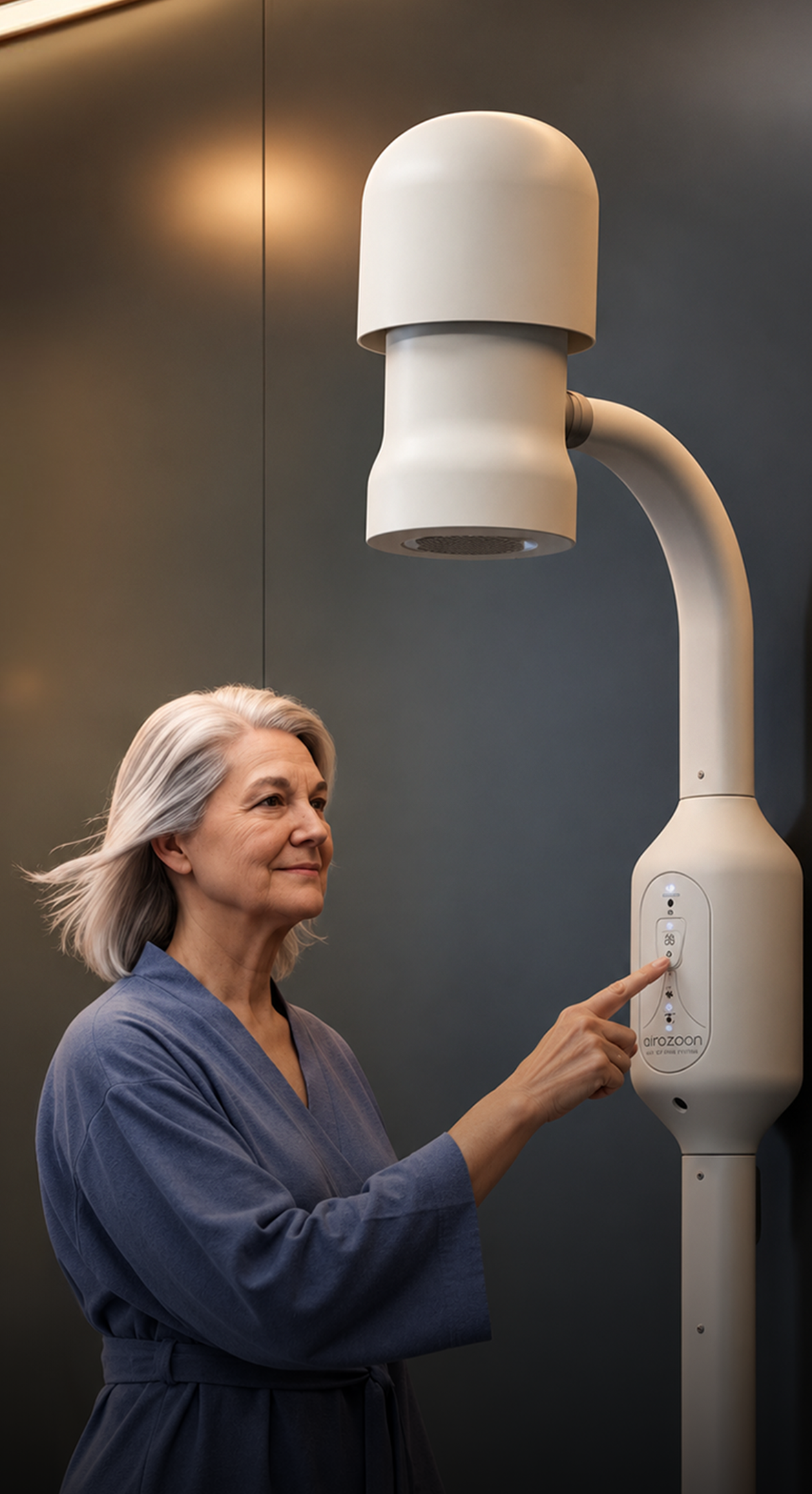
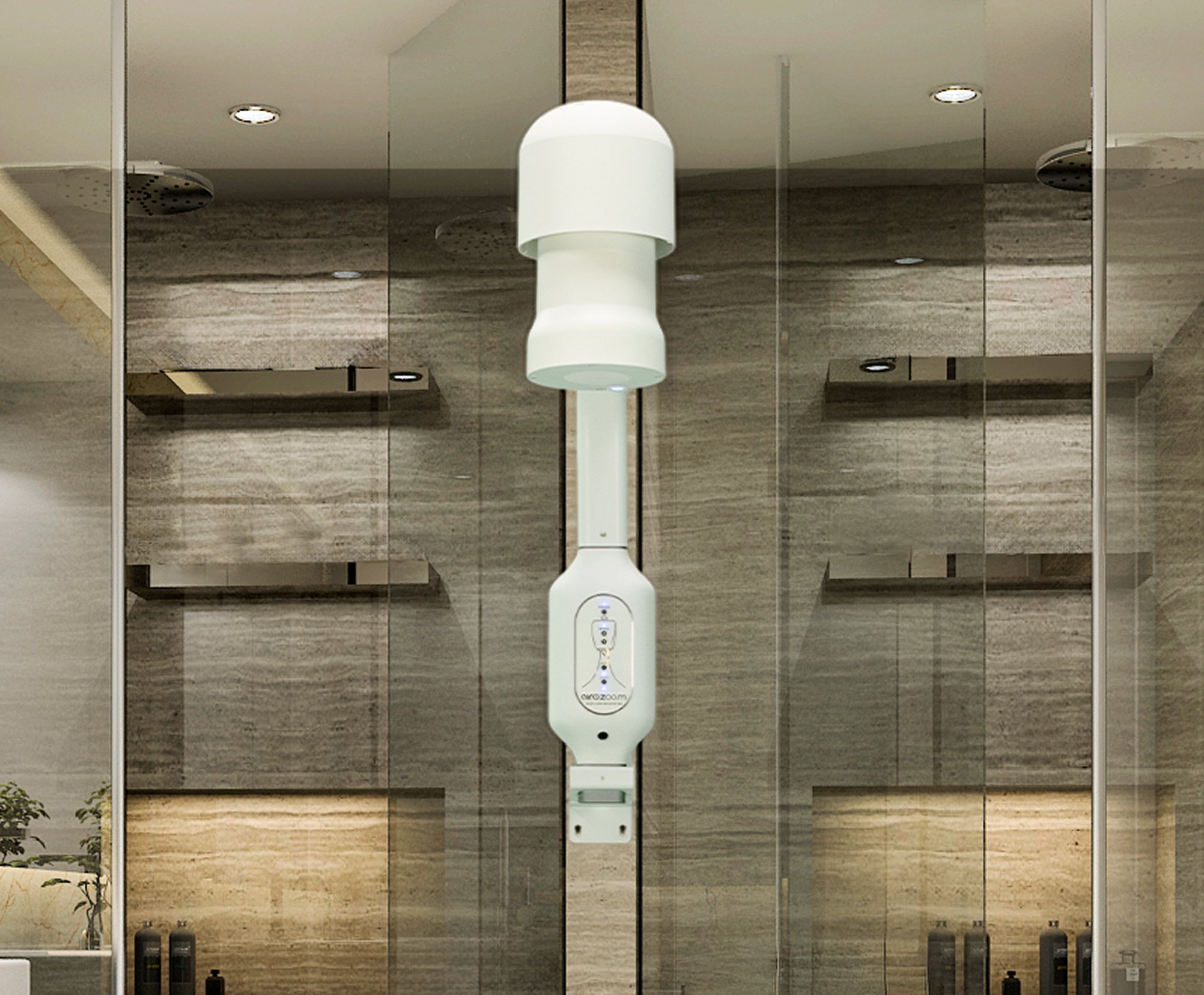
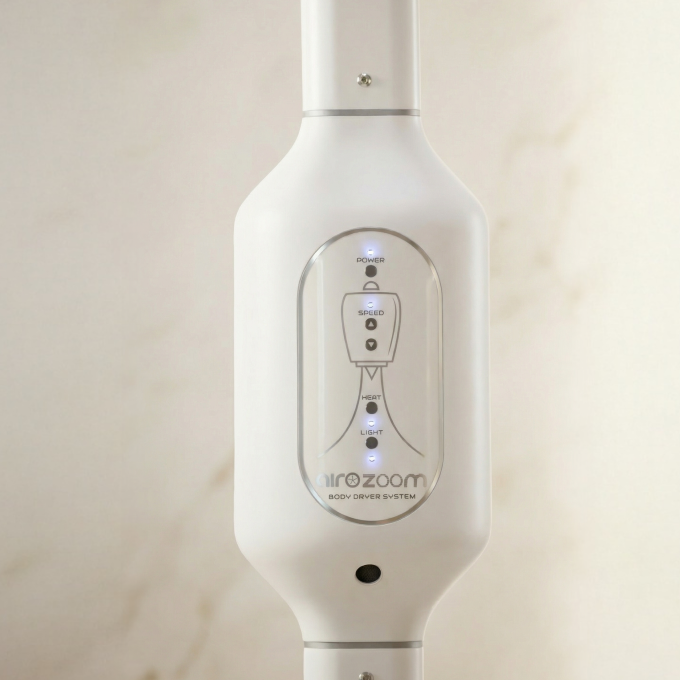
Airozoom improves post-bathing care with a hygienic, touch-free full-body drying experience that supports infection control and patient comfort. The system helps reduce wet floors and the associated fall risk while offering gentle drying for recovering patients. It also reduces towel use, lowers laundry demands, eases staff workload, and provides wheelchair-accessible operation for patients across all mobility levels.
What Sets
AIROZOOM APART

Patented Technology
Exclusive airflow design for efficiency.

360° Full Coverage
No spot is left untouched by the flow.

Touch-Free Operation
Hygienic and effortless to use.

Precision Engineering
Built to last with premium materials.

Performance Tested
Rigorous testing for safety and speed.

Improves patient safety
Helps reduce wet floors and fall risks.
The Full Body Dryer
for Every User
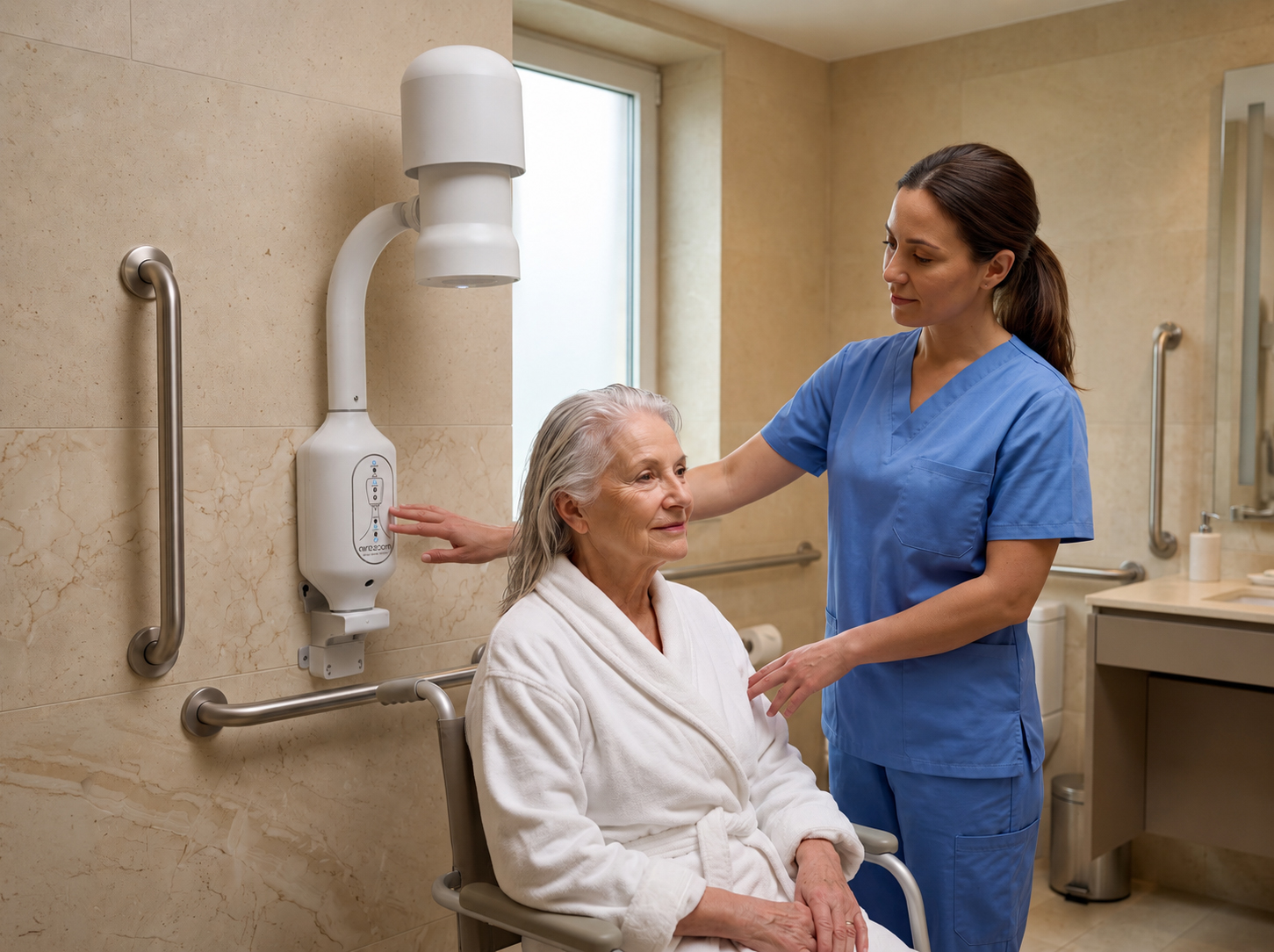
Body Dryer for Disabled
Full Body Dryer for Special Needs: Safe, Hygienic, Touch-Free
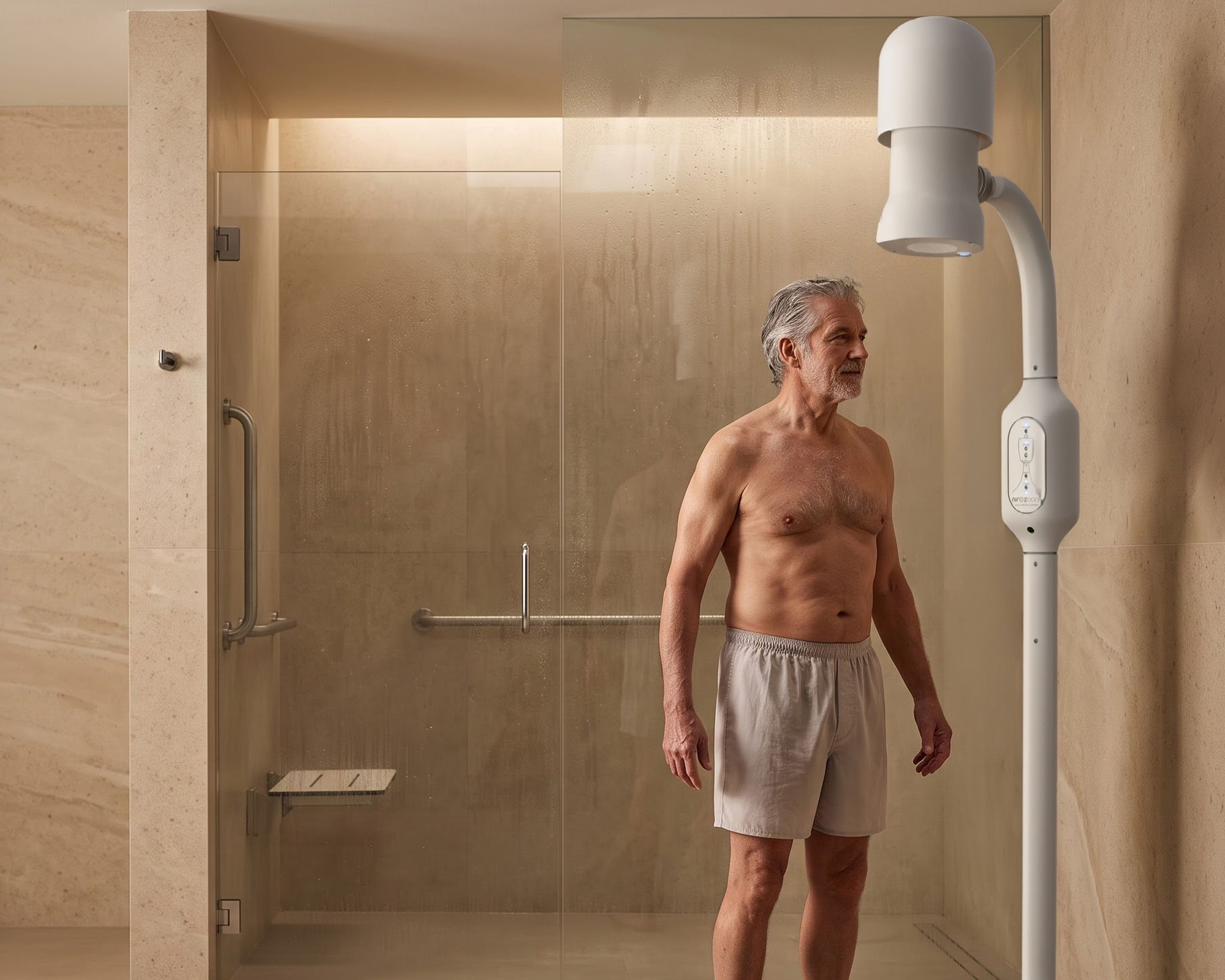
Body Dryer for Seniors
Full Body Dryer for Seniors: Safe, Hygienic, Touch-Free
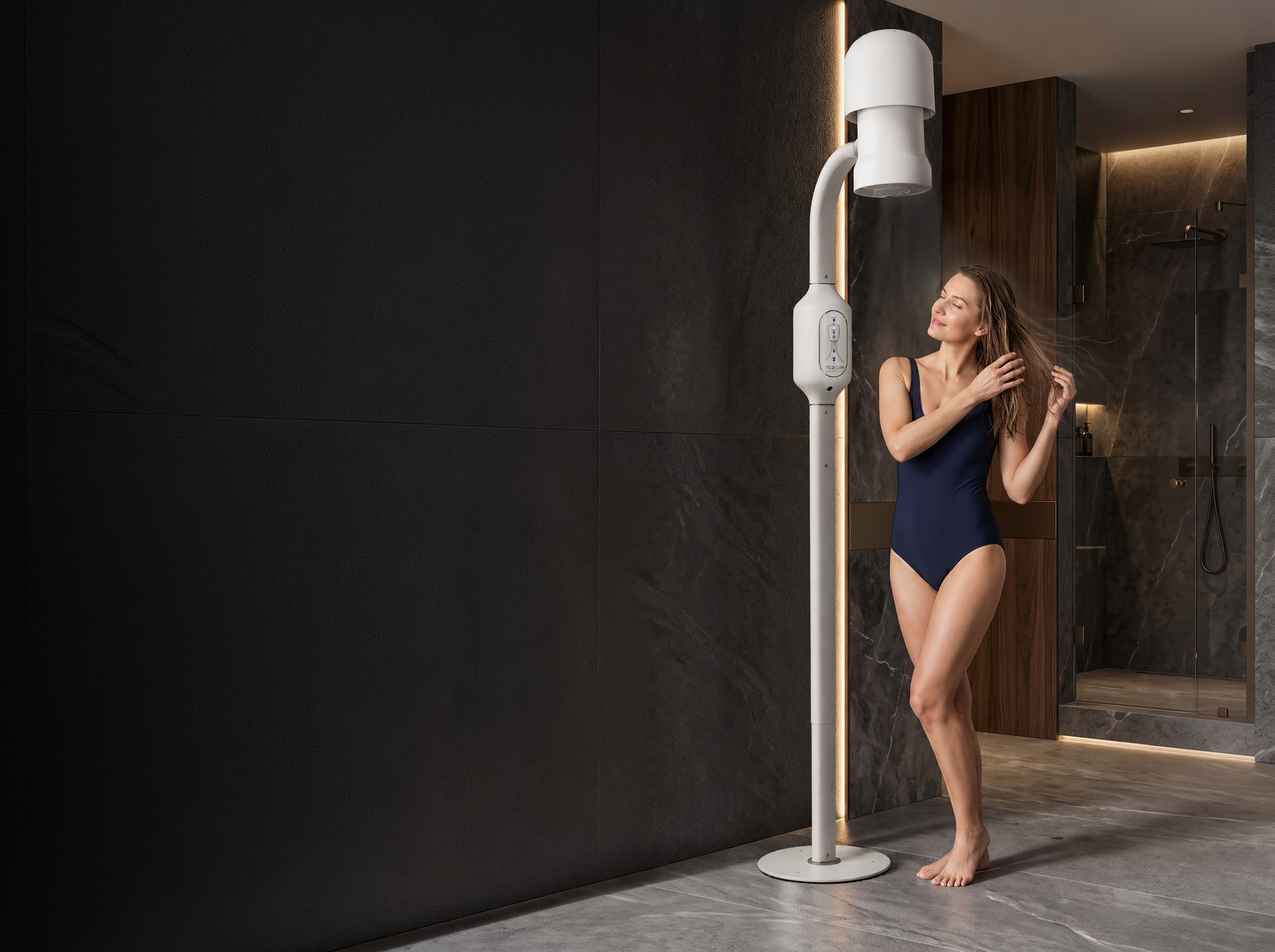
Body Dryer for Hotels & Resorts
Full Body Dryer for Hotels & Resorts
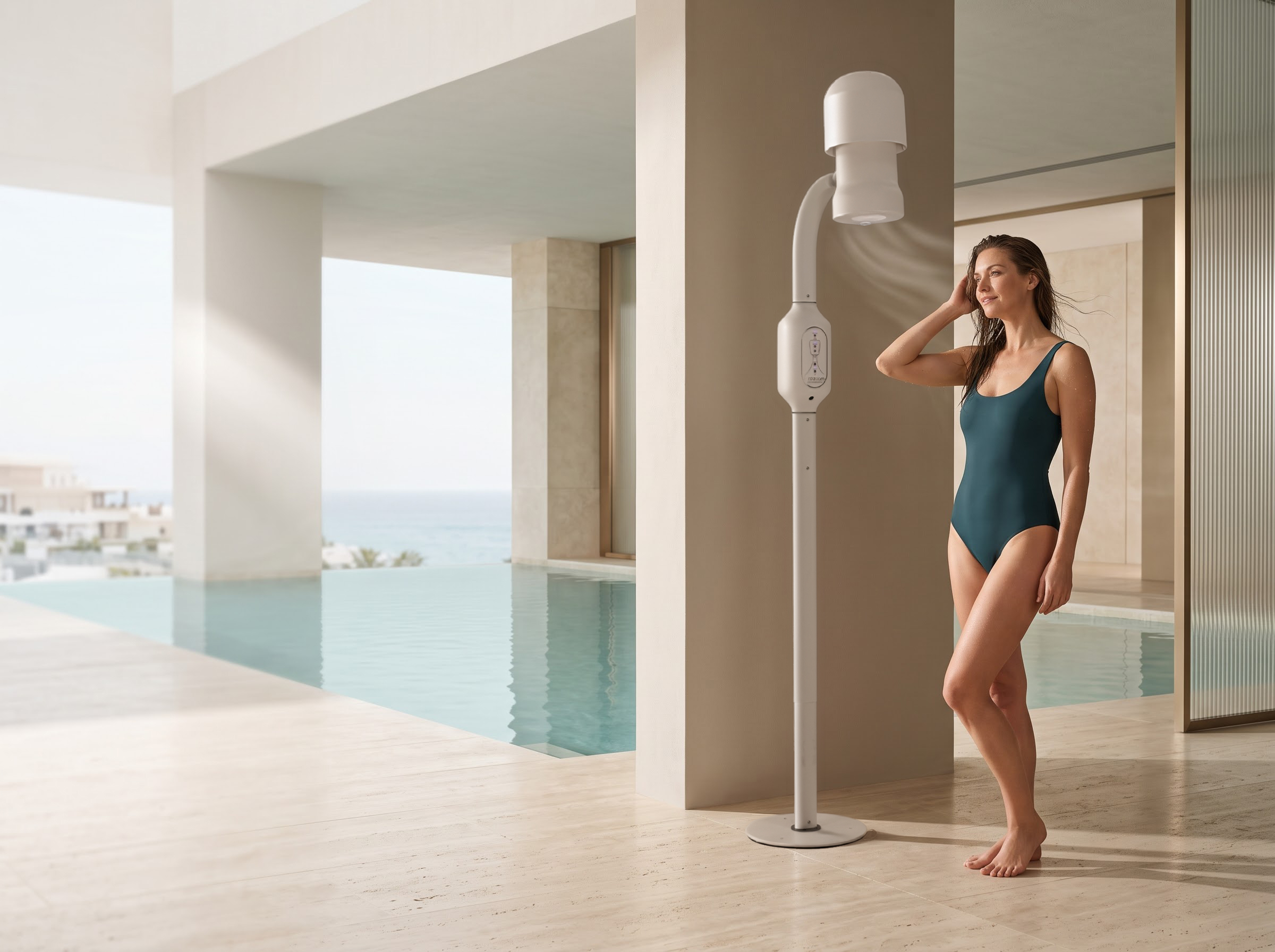
Body Dryer for Spas & Pools
Full Body Dryer for Spas & Pools
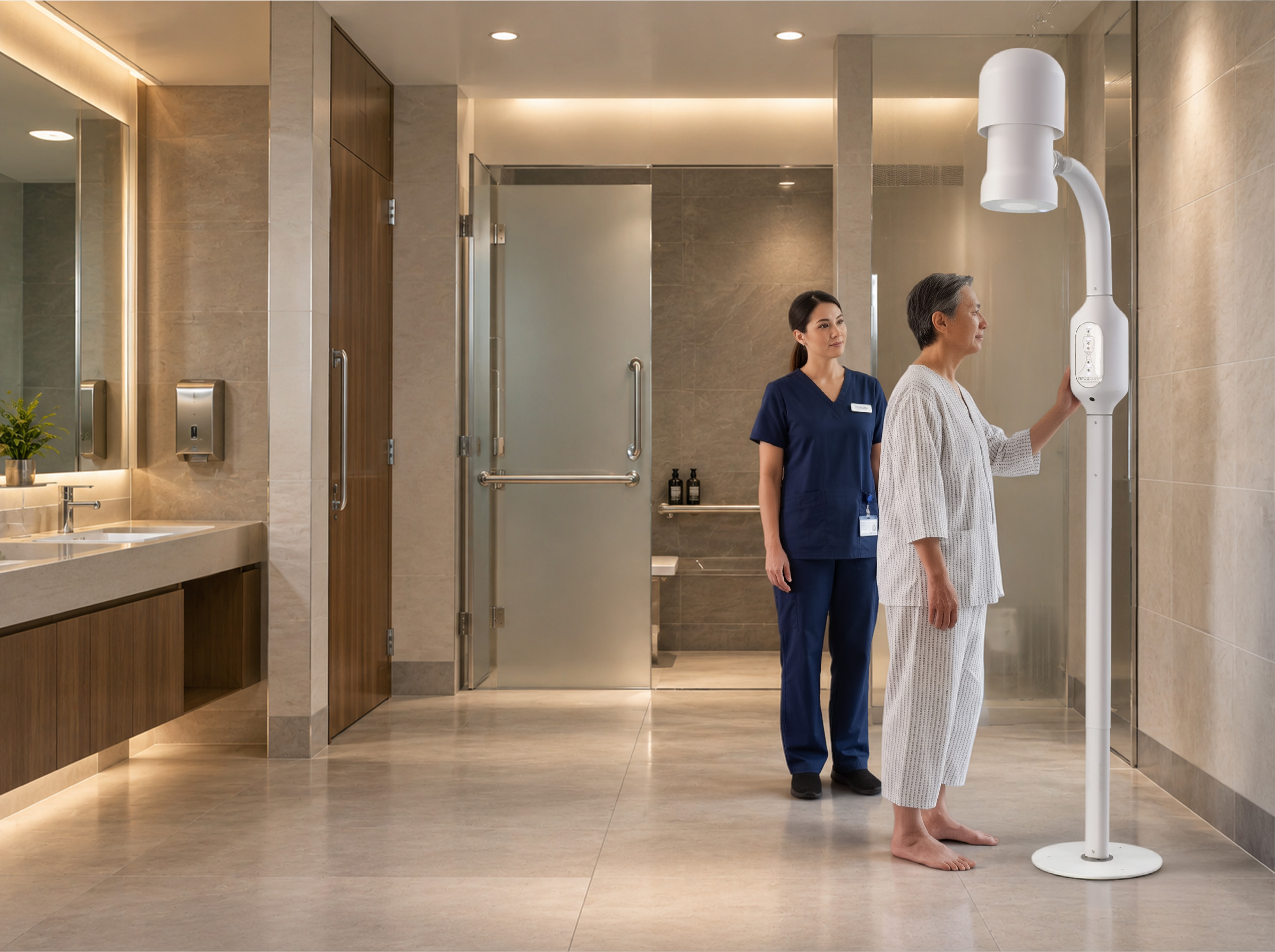
Body Dryer for Hospitals
Full Body Dryer for Hospitals & Healthcare Facilities
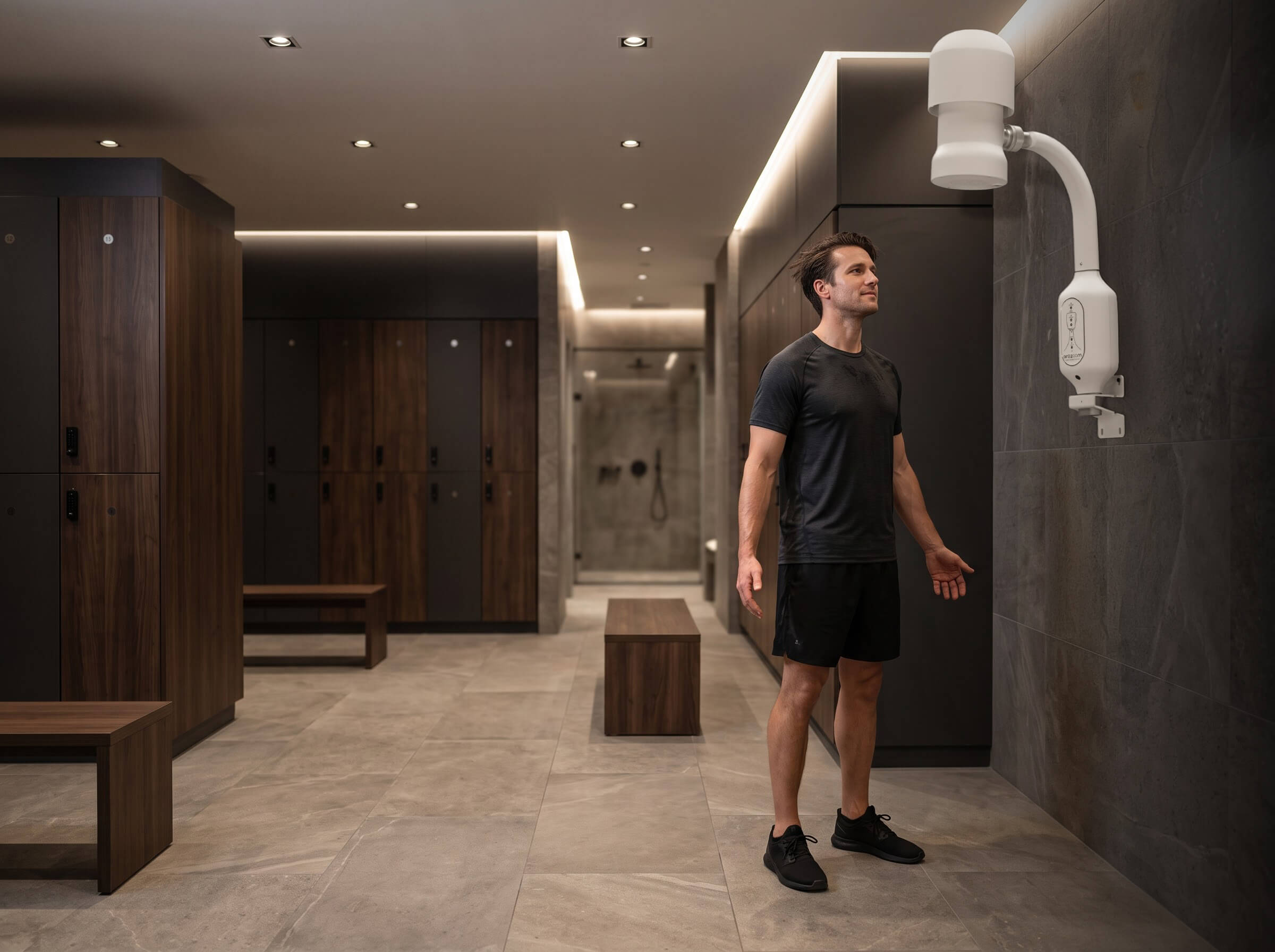
Body Dryer for Gym Locker Rooms
Full Body Dryer for Gym Locker Rooms & Fitness Centers
Designed for
Healthcare Safety
Healthcare environments demand equipment that performs reliably in wet, high-use conditions while supporting patient safety and hygiene. Airozoom is engineered with electrical protection for use around showers and bathing areas, while its water-resistant design withstands regular exposure to moisture. The touch-free operation helps reduce contact between users, and the system contributes to safer floors by minimizing residual water after bathing. Built for continuous use in busy healthcare facilities, it is also simple to clean and maintain as part of routine infection control practices.