Preventing Bathroom Slips: Safer Drying Alternatives After Showering
Introduction
Bathrooms are one of the most common places for household accidents. Wet floors, smooth surfaces, and limited support can quickly turn a routine activity into a safety risk. Slips and falls after showering are especially common, often caused by excess water collecting on bathroom floors.
As awareness around bathroom safety grows, there is an increasing need for drying methods that help reduce water spread and limit movement on slippery surfaces. Modern solutions like body dryers are emerging as a practical alternative to traditional towel drying.
Why Bathroom Slips Are So Common
Wet Floors and Reduced Friction
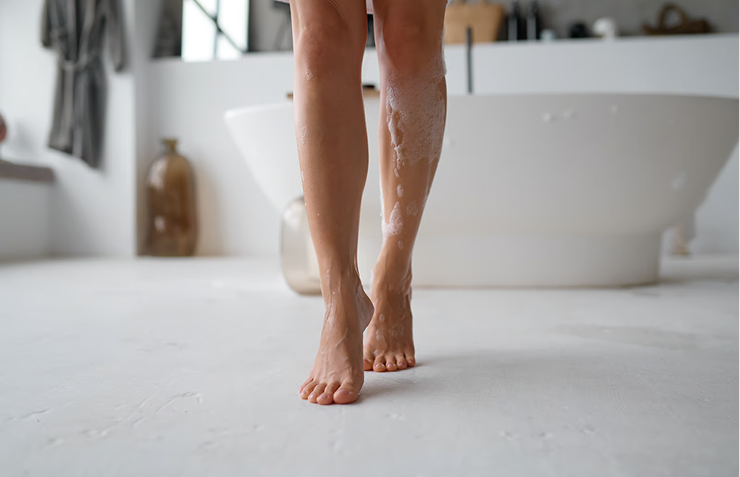
Water significantly reduces friction on bathroom surfaces, making tiles and smooth flooring slippery. Even a small amount of water can increase the risk of losing balance.
Soap Residue and Smooth Surfaces
Soap and shampoo residue can leave behind a thin, slippery layer on the floor. Combined with water, this creates hazardous conditions, especially in shower areas and near exits.
High-Risk Groups
Certain groups are more vulnerable to bathroom slips:
- Elderly individuals with reduced balance
- Children who may move quickly on wet surfaces
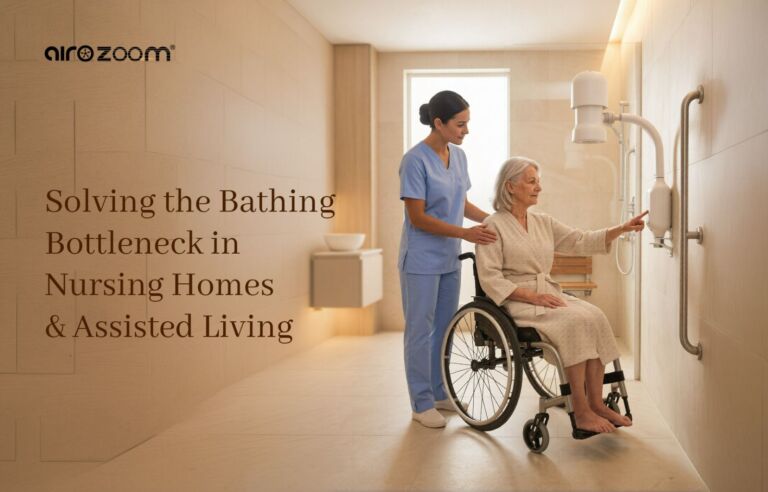
- Individuals with mobility challenges
Bathroom-related injuries are among the most common household accidents, making prevention especially important.
The Problem with Traditional Drying Methods
Towels and Water Dripping on Floors
When stepping out of the shower, water continues to drip from the body onto the floor. Managing this moisture with a towel can be inconvenient and may spread water beyond the shower area, increasing the risk of slipping.
Movement While Drying Increases Risk
Drying with a towel requires movement, including reaching, turning, and shifting balance. On a wet floor, these movements can lead to slips or falls. This not only increases the risk of slipping but also makes the drying process less controlled and more challenging, particularly for the elderly or individuals with limited mobility.
Delayed Drying Leads to Slippery Surfaces
If drying is not immediate or effective, water remains on both the body and the floor. This prolongs unsafe conditions in the bathroom.
Safer Drying Alternatives After Showering
Non-Slip Mats and Rugs
Non-slip mats help absorb excess water and improve grip. Placing them near the shower exit can reduce immediate slip risk.
Shower Benches and Seated Drying
Using a bench allows individuals to dry themselves while seated, reducing balance-related risks and improving stability.
Improved Bathroom Design
Proper drainage systems and separating wet and dry zones can prevent water from spreading across the bathroom floor.
Touchless Drying with Body Dryers
Body dryers provide a hands-free drying solution that:
- Allows users to dry within the shower area or a designated space
- Helps reduce water spread across bathroom floors
- Reduces movement on slippery surfaces while drying
This makes them a practical option for modern bathrooms.
How Body Dryers Help Prevent Bathroom Slips
Faster and Even Drying Reduces Floor Moisture
Body dryers help reduce excess moisture after showering, supporting a cleaner and more comfortable bathroom environment.
Eliminates the Need to Move While Drying
With a stationary drying process, users do not need to move around on wet surfaces, reducing the risk of slipping.
Keeps Bathroom Floors Drier and Safer
By reducing water transfer outside the shower area, body dryers help maintain a safer, drier environment overall.
Solutions like Airozoom are designed to support a more controlled and convenient drying experience.
Additional Safety Measures to Prevent Slips
Install Grab Bars and Support Handles
Grab bars provide stability and support, especially for elderly users or those with limited mobility.
Use Anti-Slip Flooring or Coatings
Textured flooring or anti-slip coatings improve traction and reduce the likelihood of slipping.
Ensure Proper Lighting and Visibility
Good lighting helps users identify wet areas and move safely within the bathroom.
Keep Bathroom Clutter-Free
Removing obstacles and keeping pathways clear reduces the chances of accidental slips or trips.
Body Dryer vs Traditional Drying – Safety Comparison
Slip Risk
- Towels: Higher risk due to movement and water spread
- Body dryers: Lower risk with stationary, controlled drying
Ease of Use
- Towels: Require manual effort and balance
- Body dryers: Hands-free and effortless
Safety for Elderly Users
- Towels: Increased fall risk during movement
- Body dryers: More stable and low-contact drying experience
Creating a Safer Bathroom Environment
Combining Smart Design with Safer Drying Solutions
A well-designed bathroom should include:
- Proper layout and drainage
- Non-slip surfaces
- Support fixtures
- Efficient drying solutions
Importance of Reducing Water Exposure Post-Shower
The less water that spreads beyond the shower area, the lower the risk of slips. Managing moisture effectively is key to bathroom safety.
Role of Body Dryers in Modern bathroom safety
Body dryers play an important role in reducing water exposure and improving safety. By replacing traditional drying methods, they help create a more controlled and secure environment.
Airozoom body dryers align with modern safety-focused bathroom design by offering a cleaner, touchless, and more stable drying solution.
Conclusion
Wet floors are one of the most common causes of bathroom accidents after showering. Traditional towel drying often spreads moisture across the floor and requires movement on slippery surfaces.
Non-slip flooring, support fixtures, and better drying methods help create a safer bathroom environment. Body dryers help reduce excess moisture and let users dry off with less movement after a shower.
For people looking to improve bathroom safety and comfort, solutions like Airozoom offer a more controlled and convenient post-shower drying experience.
FAQs
What causes most bathroom slips?
Wet floors, soap residue, and movement on slippery surfaces are the primary causes of bathroom slips.
How can I make my bathroom floor less slippery?
Use non-slip mats, install anti-slip flooring, improve drainage, and reduce water spread after showering.
Are body dryers safer than towels?
Yes. Body dryers reduce movement, limit water spread, and provide a more stable drying process.
What is the best way to dry off without slipping?
Using a stationary, touchless drying method such as a body dryer is one of the safest ways to dry off after a shower.
Adopting safer drying alternatives is essential for reducing accidents and improving bathroom safety. Body dryers offer a modern solution by minimizing moisture, reducing movement, and creating a more controlled drying environment.