Still Leaving Your Hair Wet After a Shower? Here’s What Could Happen
Growing up, many of us heard the same advice: “Dry your hair before you leave the house.” Whether you listened or not, that saying has stuck around for a reason.
While leaving your hair wet won’t make you sick, leaving your scalp damp for long periods isn’t recommended. It can leave your scalp feeling uncomfortable and, in some cases, make existing hair and scalp problems even worse.
This article will explain why hair stays wet for so long, the issues prolonged dampness can cause, and how to keep your scalp dry after a shower.
Why Does Your Hair Stay Wet for So Long?
Hair doesn’t dry at the same speed for everyone. For some people, hair dries within a few minutes of towel drying, while others may have a damp scalp long after they’ve finished showering.
There are a few things that affect how quickly your hair dries. Thick, long, and curly hair holds more water and takes longer to dry than short, fine hair. Humidity and ventilation also slow down the drying process by making moisture harder to evaporate.
Even towel drying has its limits. A towel can remove water from the surface of the hair, but it doesn’t always dry the scalp completely. That’s why your scalp may stay damp long after you’ve towel dried your hair.
Common Hair and Scalp Problems Linked to Prolonged Damp Hair
Scalp Irritation and Persistent Itching
A scalp that remains damp for hours can feel uncomfortable, especially if it happens regularly. When moisture mixes with sweat, natural oils, and hair products, it can lead to scalp irritation in some people. Over time, it may lead to itching, tenderness, and general discomfort, especially in warm or humid conditions.
Dandruff May Become More Noticeable
Wet hair doesn’t cause dandruff on its own. But if your scalp stays damp for long periods, it can make existing dandruff symptoms worse, particularly for people who are prone to them. Dandruff is linked to excess oil and a naturally occurring yeast on the scalp, which can lead to flaking, an itchy scalp, and white flakes on your clothing.
Higher Risk of Fungal Scalp Infection
A warm, damp scalp creates conditions where fungi can grow more easily. People who regularly leave their scalp damp, wear hats before their hair has dried, and have poor scalp hygiene may be more susceptible to fungal scalp infections, especially in warm and humid conditions.
One example is tinea capitis, also known as scalp ringworm. If your scalp remains itchy, develops scaly patches, or doesn’t seem to improve with good hair care, it’s worth seeing a dermatologist.
Increased Hair Breakage
Wet hair is more fragile than dry hair, making it more prone to damage. Brushing, rubbing with a towel, or tying your hair before it has dried puts extra stress on the hair shaft. Over time, this can lead to split ends, frizz, and broken strands that may look like hair loss.
Folliculitis (Inflamed Hair Follicles)
Keeping your scalp damp for long periods isn’t ideal, especially if it’s mixed with sweat and friction. In some people, this can contribute to folliculitis, an inflammation of the hair follicles. It often shows up as red bumps, redness, or a tender scalp. If these symptoms don’t go away or keep coming back, consult a dermatologist.
Unpleasant Scalp Odor
If your scalp stays damp for hours, moisture can mix with sweat, natural oils, and product residue, making unpleasant odors more noticeable, especially after a workout or in warm, humid weather. Drying your scalp properly after a shower and maintaining good hair hygiene can help keep it fresh.
Sleeping with Wet Hair May Affect Scalp Comfort
If you’ve ever gone to bed with wet hair, you’ve probably woken up with tangled hair. A damp pillow and trapped moisture can leave your scalp feeling uncomfortable, especially if it becomes a regular habit. Drying your hair before bed helps keep your scalp drier and your hair easier to manage the next day.
How to Prevent Health Issues Caused by Wet Hair
Drying your hair properly doesn’t have to be complicated. A few simple habits after every shower can help you keep your scalp fresher while reducing the chances of common hair and scalp problems.
Dry Your Scalp Thoroughly
Most people focus on drying the length of their hair but pay little attention to the scalp. Take a little extra time to dry your scalp thoroughly. This reduces trapped moisture and keeps your hair feeling fresher after every shower.
Avoid Keeping the Hair Damp for Hours
If your hair takes a long time to dry naturally, try not to leave your scalp damp any longer than necessary.
Use a Clean, Absorbent Towel
A clean, absorbent towel removes more moisture than a damp or worn-out one. Pat your hair dry instead of rubbing it, as rubbing can lead to frizz and breakage.
Dry Hair Before Sleeping
If you shower before bed, try drying your hair before you go to bed. This helps prevent your scalp and pillowcase from staying damp overnight and reduces tangles by morning.
Maintain Good Scalp Hygiene
A healthy scalp starts with a simple hair care routine. Washing your hair regularly removes sweat, excess oil, and product buildup before they accumulate. A clean scalp also feels fresher and is easier to manage throughout the day.
Use Proper Airflow or Hair Drying Technology
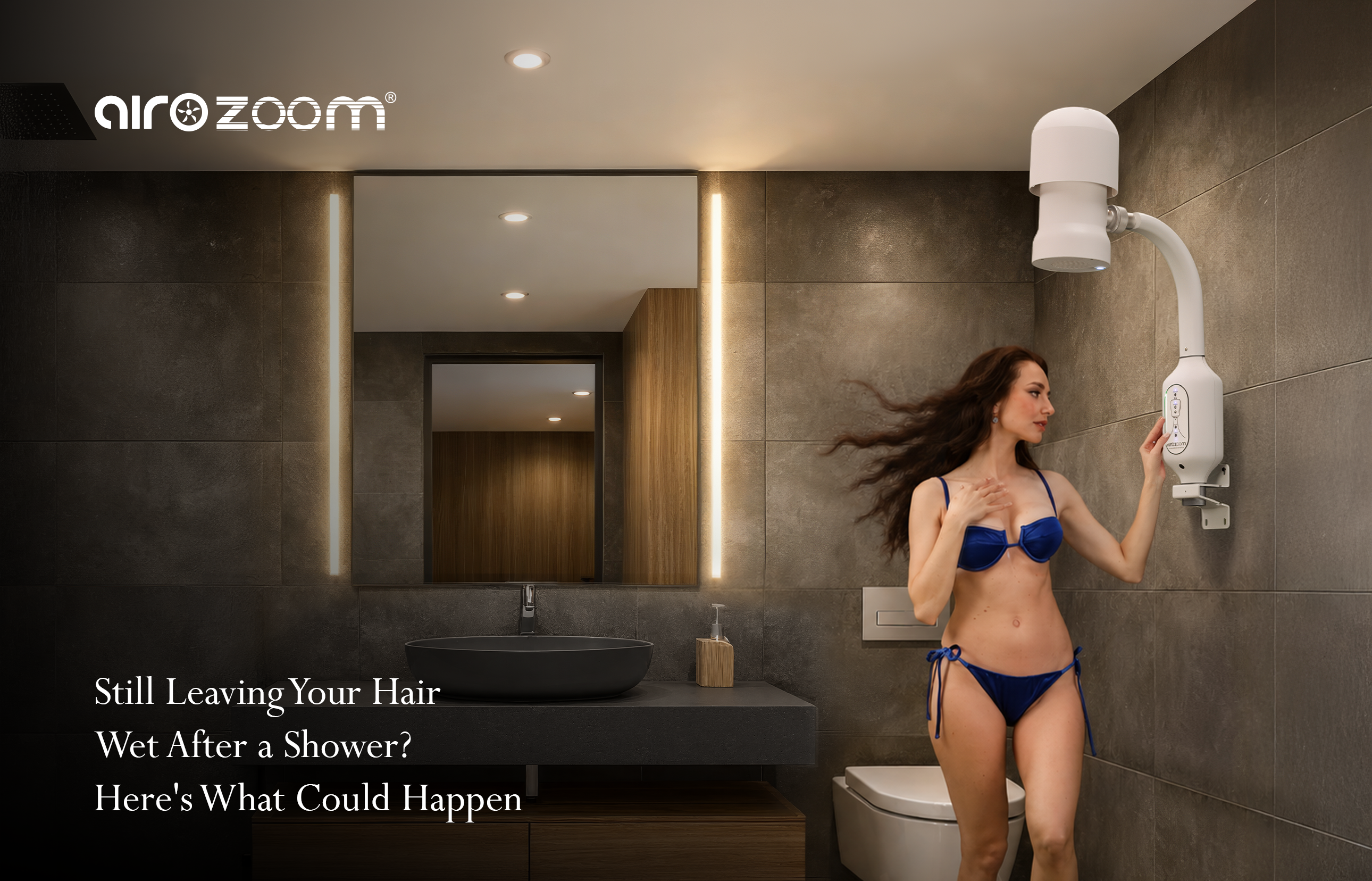
A towel is good for removing surface moisture, but it doesn’t dry the scalp completely, particularly if you have thick, long, or curly hair. Using proper airflow after a shower helps dry your hair more evenly while reducing the amount of time your scalp stays damp. Products like the Airozoom Body Dryer System provide consistent airflow to help dry your hair and scalp more efficiently after every shower.
When Should You See a Dermatologist?
Most minor scalp problems improve with good hair care. But if your symptoms persist, consult a dermatologist.
- Persistent dandruff: If dandruff keeps coming back after using anti-dandruff shampoo, consult a dermatologist.
- Severe itching: If your scalp continues to itch, even after good hair care, then it’s worth seeing a dermatologist.
- Painful scalp: Persistent pain or tenderness in the scalp should be evaluated by a dermatologist, as it could be a sign of an infection or inflammation.
- Hair loss: If you’re experiencing unusual hair loss, consult a dermatologist to understand the cause.
- Pus-filled bumps: Bumps filled with pus may be a sign of an infection, such as folliculitis, and may need medical intervention.
- Ring-shaped scalp patches: Circular, scaly patches on the scalp could be a sign of tinea capitis (scalp ringworm). If you see symptoms like this, consult a dermatologist.
- Symptoms that don’t improve: If your symptoms persist after a few weeks despite good hair care, consult a dermatologist.
Conclusion
Leaving your hair wet after a shower isn’t always a problem, but letting your scalp stay damp for hours is a habit worth avoiding. Drying your scalp properly, keeping it clean, and using airflow after every shower can help reduce discomfort and make your hair easier to manage.
If your hair takes a long time to dry, the Airozoom Full Body Dryer System offers a simple way to speed up the drying process after every shower. Its consistent airflow helps reduce the time your scalp stays damp, so you spend less time dealing with a damp scalp.
Frequently Asked Questions
Can leaving hair wet cause dandruff?
Not by itself. Dandruff is linked to excess oil and naturally occurring yeast on the scalp. However, keeping your scalp damp for long periods can make dandruff symptoms more noticeable if you’re already prone to them.
Can a damp scalp lead to fungal infections?
A warm, damp scalp creates conditions where fungi can grow easily, but damp hair alone does not cause fungal infections. Drying your scalp and maintaining good hair care hygiene may help reduce the risk.
Why does my scalp itch after staying wet?
A damp scalp can stay uncomfortable for longer, especially when moisture mixes with sweat, natural oils, or product residue. This can lead to itching, tenderness, or discomfort in some people.
Is it bad to sleep with wet hair?
Sleeping with wet hair isn’t usually harmful, but it can leave your scalp and pillow damp for hours, tangling your hair and making it likely to frizz or break while you sleep.
Can wet hair increase hair fall?
Wet hair is more fragile than dry hair, so brushing it before it dries can lead to breakage. It isn’t the same as hair loss from the roots, but broken strands can make it seem like you’re shedding more hair.
How long should hair remain wet after showering?
There is no fixed amount of time, but it’s best not to leave your scalp damp for hours. Drying your hair and scalp soon after showering reduces excess moisture and keeps your scalp feeling healthier.