Why Smart Bathrooms Are Incomplete Without a Body Dryer
Introduction
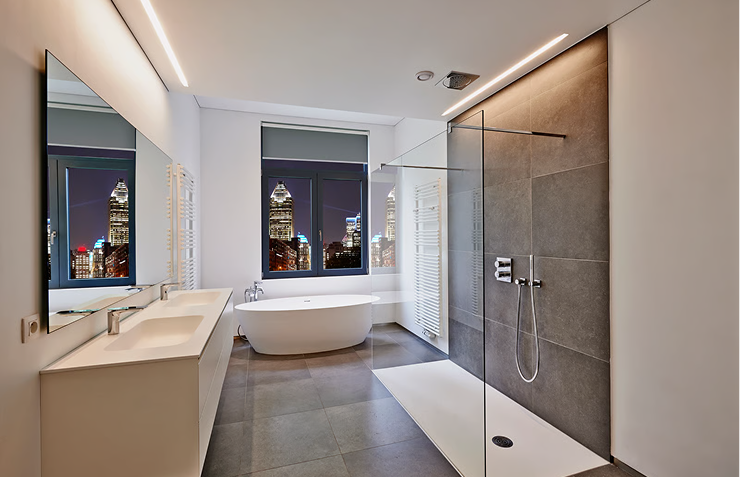
Modern bathrooms are rapidly evolving into smart, technology-driven spaces designed for comfort, efficiency, and hygiene. From sensor-based faucets to automated lighting and temperature control, today’s bathrooms are built around convenience and minimal physical contact.
As hygiene awareness grows, there is a clear shift toward touchless systems that reduce contamination and improve user experience. However, one critical element is often overlooked in this transformation: how we dry ourselves after a shower.
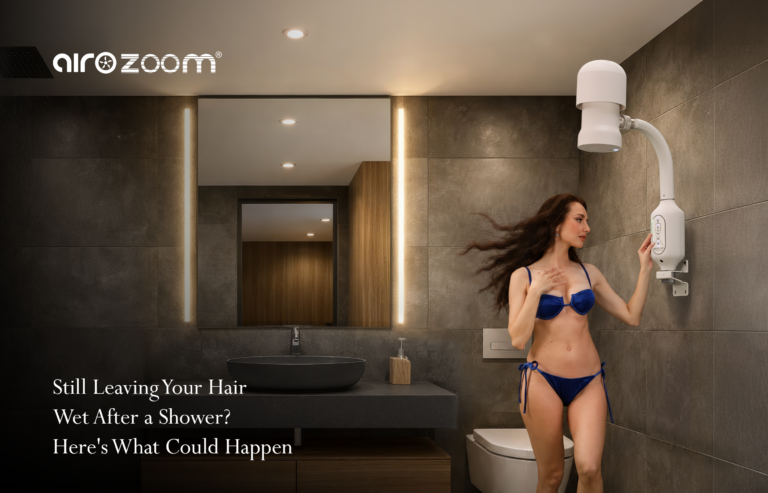
While most smart bathrooms incorporate advanced fixtures, they still rely on traditional towels for drying. This creates a gap in the overall hygiene system. Body dryers, such as Airozoom, address this gap by offering a touch-free, efficient drying solution that aligns with the principles of modern smart bathroom design.
What Defines a Smart Bathroom Today?
Touchless and Sensor-Based Technology
Smart bathrooms are built around automation. Features such as motion-sensor taps, automatic flushing systems, and hands-free lighting reduce the need for physical contact, helping maintain cleaner surfaces.
These technologies are designed to limit the spread of germs while improving ease of use.
Focus on Hygiene and Germ Prevention
A core objective of smart bathroom design is to minimize bacterial exposure. By reducing touchpoints, these systems lower the chances of cross-contamination and improve overall sanitation.
However, hygiene does not end with washing; it extends to drying as well.
Integration of Automation and User Comfort
Smart bathrooms combine functionality with comfort. Temperature control, lighting automation, and personalized settings enhance the user experience while maintaining efficiency.
These systems are designed to create a seamless, intuitive environment where every step from entry to exit is optimized.
The Missing Link in Smart Bathrooms – Drying Solutions
Limitations of Towels in a Smart Setup
Despite the presence of advanced technology, most bathrooms still rely on towels. Towels require:
- Physical contact
- Regular washing and maintenance
- Storage, handling, and dedicated space within the bathroom
This contradicts the touchless and automated nature of a smart bathroom.
Hygiene Gaps in Traditional Drying Methods
Towels retain moisture, skin cells, and bacteria. When reused, they can become a source of contamination rather than cleanliness.
Even in a highly automated bathroom, using a towel reintroduces a manual, contact-based process that can compromise hygiene.
In addition, managing damp towels and maintaining their hygiene can disrupt the otherwise seamless and low-maintenance experience that smart bathrooms are designed to deliver.
Why Drying Is Critical for Complete Hygiene
Drying is an essential step in maintaining hygiene. Wet skin and surfaces can promote bacterial transfer and microbial growth.
If the drying process is not hygienic, it undermines the benefits of the entire smart bathroom system.
Why a Body Dryer Completes the Smart Bathroom Experience
Touchless Drying for Better Hygiene
Body dryers eliminate the need for fabric-based drying. With systems like Airozoom:
- Drying is completely hands-free
- There is no shared contact surface
- Cross-contamination risks are reduced
This aligns perfectly with the hygiene goals of smart bathrooms.
Seamless Integration with Smart Systems
Body dryers fit naturally into automated environments. They can be incorporated into:
- Sensor-based workflows
- Smart home ecosystems
- Modern bathroom layouts
This makes them a logical extension of existing smart features.
Enhanced User Comfort and Convenience
Body dryers provide a consistent and effortless drying experience. Users benefit from:
- Even airflow drying
- No need for manual effort
- Reduced dependency on laundry
This enhances both comfort and usability.
Body Dryer vs Traditional Methods in Smart Bathrooms
Towels vs Body Dryer
- Towels: Require contact, retain moisture, and need frequent washing
- Body dryers: Touch-free, hygienic, and low maintenance
Air Dryers vs Body Dryer
Hand air dryers are designed for limited use and small surface areas. In contrast:
- Body dryers are designed for full-body drying
- Provide consistent airflow coverage
- Offer a more comfortable experience
Hygiene and Efficiency Comparison
Body dryers provide:
- Better hygiene due to no fabric contact
- Greater efficiency through quick, consistent drying
- Reduced maintenance compared to traditional methods
Environmental and Efficiency Benefits
Reduced Water and Laundry Usage
Eliminating towels not only improves hygiene but also reduces ongoing maintenance effort and resource usage by minimizing:
- Water consumption from washing
- Energy used in laundry cycles
Lower Waste Compared to Towels
Towels wear out over time and contribute to textile waste. Body dryers reduce the need for repeated replacement and disposal.
Energy-Efficient Smart Bathroom Integration
Modern body dryers are designed for efficient operation, supporting sustainability goals without compromising performance.
Solutions like Airozoom help balance hygiene, efficiency, and environmental responsibility.
Use Cases of Body Dryers in Smart Spaces
Smart Homes and Luxury Bathrooms
Homeowners investing in smart bathrooms benefit from integrating body dryers to complete the touchless experience.
Hotels, Gyms, and Wellness Spaces
High-traffic environments require consistent hygiene standards. Body dryers reduce shared contact points and improve user experience.
Healthcare and Accessibility-Focused Environments
Body dryers support:
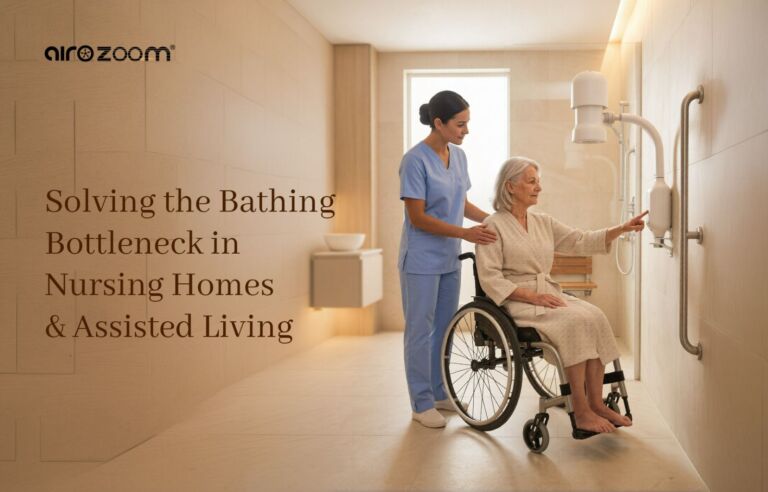
- Elderly users
- Individuals with limited mobility
- Accessible bathroom designs
They reduce physical effort and enable safer, independent use.
The Future of Smart Bathrooms
Increasing Adoption of Touchless Technologies
Touchless systems are becoming standard in modern design, driven by hygiene awareness and technological advancement.
Demand for Sustainable Bathroom Solutions
Consumers are seeking solutions that reduce environmental impact while maintaining convenience and performance.
Body Dryer as a Standard Feature
As smart bathrooms evolve, body dryers are expected to become a standard component, completing the automation and hygiene ecosystem.
Conclusion
Smart bathrooms are designed around hygiene, automation, and efficiency. While many aspects of the bathroom have evolved, drying methods have often remained unchanged.
Relying on towels introduces unnecessary contact, maintenance, and hygiene risks, creating a gap in an otherwise advanced system.
Body dryers fill this gap by offering a touchless, efficient, and modern solution. Integrating a system like Airozoom ensures that every part of the bathroom experience aligns with smart design principles.
To truly complete a smart bathroom, upgrading to a body dryer is no longer optional; it is essential.
FAQs
Why is a body dryer important in a smart bathroom?
It provides a touchless, hygienic drying solution that aligns with the automation and cleanliness goals of smart environments.
Are body dryers more hygienic than towels?
Yes. They eliminate fabric contact and reduce the risk of bacterial buildup and cross-contamination.
Do body dryers support sustainability goals?
They reduce water usage, detergent waste, and textile consumption, making them a more sustainable option over time.