Is It Better to Air Dry After a Shower? Pros, Cons & Best Practices
Introduction
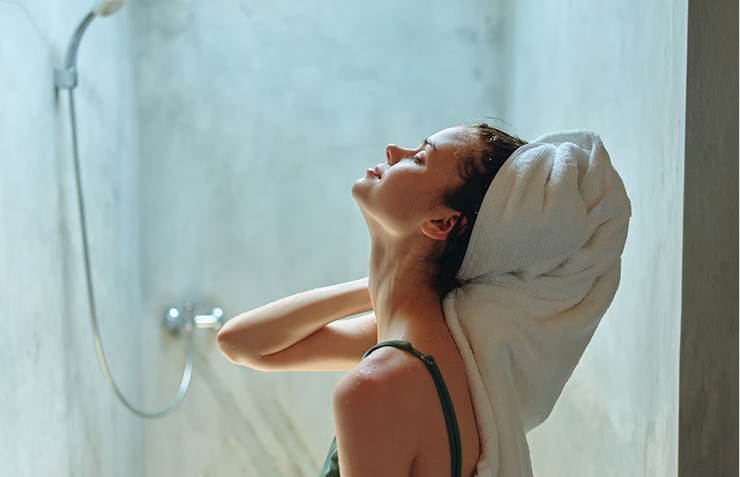
Air drying after a shower is often considered a natural and gentle alternative to towel drying. Many people believe that letting the body dry naturally is more hygienic and better for the skin.
However, while air drying has clear advantages, it also comes with certain drawbacks, especially in humid environments or when drying is incomplete. Understanding the pros, cons, and best practices can help you choose the most effective and hygienic drying method.
Modern solutions like body dryers combine the benefits of air drying with speed, efficiency, and hygiene, offering a more practical alternative.
What Is Air Drying After a Shower?
Air drying simply means allowing water on the skin to evaporate naturally without using a towel. Instead of wiping moisture away, the body dries through exposure to air.
This method relies on:
- Natural evaporation
- Ambient temperature
- Air circulation
While simple, its effectiveness depends heavily on environmental conditions.
Pros of Air Drying After a Shower
Gentle on Skin
Air drying avoids friction caused by towels. Towel rubbing can irritate the skin and affect the skin barrier, while air drying avoids direct friction.
Reduces Bacterial Transfer
Towels can harbor bacteria, fungi, and dead skin cells. By avoiding direct contact, air drying reduces the risk of transferring these microbes back onto the skin.
Supports Natural Hydration
Air drying allows some moisture to remain on the skin, which can help prevent excessive dryness.
Eco-Friendly Option
Since no towels are used:
- Water use from laundry is reduced
- Energy use decreases
- Less detergent is needed
This makes air drying a more sustainable choice.
Cons of Air Drying After a Shower
Takes More Time
Air drying is slower compared to other methods. Depending on humidity and airflow, it can take several minutes or longer for the body to fully dry.
Not Effective in Humid Environments
In bathrooms with poor ventilation, moisture lingers in the air and slows evaporation. This can leave the skin damp for longer than expected, affecting both comfort and hygiene.
Risk of Incomplete Drying
If moisture remains on the skin:
- It can promote bacterial or fungal growth
- It can increase the risk of skin irritation
Proper drying is essential for maintaining hygiene.
Can Feel Uncomfortable
Standing wet for extended periods may feel cold or uncomfortable, especially in cooler environments. This can make the post-shower experience feel uncomfortable, especially during daily routines.
Air Drying vs Towel Drying
Hygiene
- Air drying: Reduces contact-based contamination
- Towels: Can carry bacteria if reused
Skin Impact
- Air drying: Gentle and non-irritating
- Towels: Friction may cause irritation or sensitivity
Efficiency
- Air drying: Slower and affected by humidity and airflow
- Towels: Faster but less consistent
Best Practices for Air Drying
Ensure Good Ventilation
Use exhaust fans or open windows to improve airflow and speed up evaporation.
Remove Excess Water First
Let excess water drip off before stepping out of the shower to reduce drying time.
Avoid Staying Damp Too Long
Prolonged dampness can increase the risk of bacterial or fungal growth. Ensure the body dries completely.
Use Clean Surroundings
Stand on a dry, non-slip surface to reduce excess moisture and keep the area clean.
A Better Alternative: Controlled Air Drying
While natural air drying has benefits, it lacks speed and consistency. This is where controlled airflow solutions offer an advantage.
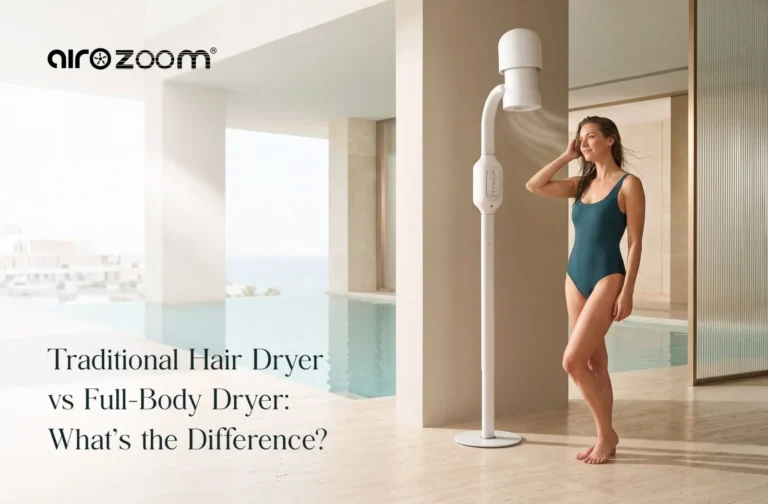
Body dryers enhance the air-drying process by:
- Helping moisture evaporate faster
- Providing steady airflow
- Helping reduce leftover moisture
Unlike passive air drying, they help remove moisture more consistently while maintaining the benefits of a touch-free drying method.
Airflow drying helps support a more comfortable post-shower drying experience by helping reduce excess moisture on the skin. This makes body dryers a more practical option for everyday routines.
When Is Air Drying a Good Choice?
Air drying works best when:
- You have sufficient time
- The environment is well-ventilated
- Skin sensitivity is a concern
However, for daily routines, airflow-based drying methods can offer a more practical and comfortable experience.
Conclusion
Air drying after a shower can help reduce friction on the skin and avoid direct contact during drying. However, it may take longer to dry completely, especially in humid or poorly ventilated spaces.
Traditional towels offer faster drying but can retain moisture and may feel rough on sensitive skin with repeated rubbing.
Airflow-based drying methods offer a more practical balance between comfort, hygiene, and drying performance. Solutions like Airozoom help reduce leftover moisture while providing a more comfortable post-shower drying experience.
FAQs
Is air drying better than towel drying?
Air drying is gentler on the skin and avoids direct friction from towels, but it may not always be practical due to humidity and drying time.
Can air drying cause skin problems?
If the skin remains damp for too long, it can increase the risk of fungal or bacterial growth.
Is air drying hygienic?
Yes. Air drying avoids direct towel contact, but complete drying is still important.
What is the best way to dry after a shower?
A drying method that helps reduce leftover moisture while remaining comfortable and practical for daily use is often the best option.