
Body Dryer vs Towel: Cost, Hygiene, and Environmental Impact Compared
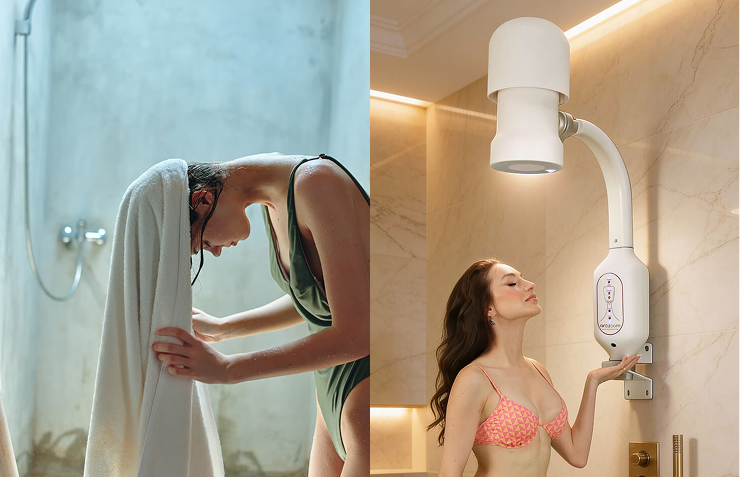
Introduction
Drying off after a shower is part of a daily routine most people rarely question. Towels have long been the default choice, but growing concerns around hygiene, cost, and environmental impact are shifting attention toward modern alternatives like body dryers.
From bacterial buildup to repeated washing cycles, traditional towels come with hidden drawbacks. In comparison, body dryers such as Airozoom offer a touchless, efficient, and increasingly popular solution.
What Happens When You Use a Towel Daily?
Moisture Retention and Bacterial Growth
Towels are highly absorbent, which makes them effective for drying but also creates the perfect environment for bacteria. After each use, towels retain moisture, skin cells, and body oils.
Studies show that:
- 90% of towels contain coliform bacteria
- 14% may carry E. coli
- Damp conditions allow bacteria, fungi, and mold to multiply rapidly
If towels are not dried properly, microbial growth accelerates within just a couple of days.
Frequent Washing and Maintenance Needs
In addition, managing multiple towels per person, storing them, and dealing with damp towels in bathrooms can create daily inconvenience and clutter, especially in shared or high-use spaces.
To maintain hygiene, experts recommend:
- Washing bath towels every 3–5 uses
- Washing hand towels every 1–2 days
- Using hot water (60°C or higher)
This leads to constant cycles of:
- Washing
- Drying
- Replacing worn-out towels
Over time, this becomes both time-consuming and resource-intensive.
Environmental Impact of Regular Towel Use
Frequent towel washing contributes to:
- High water consumption
- Increased electricity usage (washing + drying machines)
- Detergent and chemical waste
- Fabric wear and disposal
What seems like a simple daily habit can have a significant long-term environmental footprint.
Hygiene Comparison of Body Dryer vs Towel
How Towels Can Harbor Bacteria
Even after a shower, your skin still carries bacteria. When you dry with a towel:
- Microorganisms transfer onto the fabric
- Moisture allows them to survive and multiply
- Reuse increases contamination levels
Shared towels further increase the risk of spreading infections such as fungal conditions and skin irritations.
Hygiene Concerns with Traditional Drying Methods
Research comparing drying methods highlights that fabric-based drying can retain microbes, especially when hygiene practices are inconsistent.
Poor ventilation, delayed washing, and repeated use all contribute to bacterial buildup, making towels less hygienic over time.
How a Body Dryer Improves Hygiene
Body dryers eliminate the core issue: damp fabric.
With systems like Airozoom:
- Drying is completely touch-free
- No fabric means no bacterial accumulation
- Airflow ensures consistent and hygienic drying
This significantly reduces the risk of cross-contamination, especially in shared or commercial environments.
Cost Comparison – Towels vs Body Dryer
Initial vs Recurring Costs of Towels
At first glance, towels appear inexpensive. However, recurring costs include:
- Multiple towel purchases per household
- Frequent replacement due to wear and tear
- Ongoing laundry expenses (water, electricity, detergent)
Over time, these costs add up significantly.
Beyond financial costs, towels also require ongoing effort to manage, including storage space, regular handling, and maintaining hygiene standards.
In many cases, this adds to the overall inconvenience of using towels daily.
Long-Term Cost Efficiency of a Body Dryer
A body dryer involves a higher initial investment, but:
- Eliminates recurring laundry costs
- Reduces need for multiple towels
- Requires minimal maintenance
This makes it a more predictable and controlled expense over time.
Cost Savings Over Time
When factoring in:
- Utility bills
- Detergents
- Towel replacements
A body dryer can become more cost-efficient in the long run, especially for families or commercial spaces like gyms and hotels.
Environmental Impact – Towels vs Body Dryer
Water and Energy Usage in Towel Maintenance
Laundry cycles consume large amounts of:
- Water (per wash load)
- Electricity (washing + drying)
Frequent washing increases this impact significantly.
Waste and Resource Consumption
Towels degrade over time, leading to:
- Fabric waste
- Increased textile production demand
- Chemical usage from detergents
Why a Body Dryer Is a Sustainable Alternative
Body dryers reduce environmental impact by:
- Eliminating water usage for washing
- Reducing detergent and chemical waste
- Minimizing textile consumption
Solutions like Airozoom are designed to balance hygiene with sustainability, making them suitable for eco-conscious users.
Convenience and User Experience
Daily Usage and Maintenance Effort
Towels require:
- Regular washing
- Drying space
- Storage management
This also includes the need to manage storage and avoid bathroom clutter caused by multiple wet towels.
Body dryers offer:
- Instant drying
- No laundry
- Minimal upkeep
Comfort and Drying Efficiency
Modern body dryers provide:
- Consistent airflow drying
- Gentle experience on skin
- No friction or irritation
This can be particularly beneficial for sensitive skin.
Where Body Dryers Fit Best
Body dryers are ideal for:
- Homes seeking convenience
- Gyms and fitness centers (high traffic)
- Hotels and resorts (guest hygiene)
- Accessible environments (elderly or mobility-limited users)
Body Dryer vs Towel – Quick Comparison
Hygiene
Towels retain bacteria and moisture; body dryers eliminate contact-based contamination
Cost
Towels have ongoing costs; body dryers offer long-term savings
Environmental Impact
Towels require water and detergents; body dryers reduce resource consumption
Convenience
Towels require maintenance; body dryers provide instant, hassle-free drying
Why Body Dryers Are Becoming a Modern Bathroom Essential
Shift Toward Touchless Solutions
Hygiene awareness has increased demand for touch-free technologies. From faucets to hand dryers, modern bathrooms are evolving, and body dryers are a natural extension of this shift.
Growing Demand for Hygiene and Sustainability
Consumers are increasingly prioritizing:
- Cleaner living environments
- Reduced environmental impact
- Efficient daily routines
Body dryers like Airozoom align with these expectations by combining hygiene, convenience, and sustainability.
FAQs
Is a body dryer more hygienic than a towel?
Yes. Body dryers reduce bacterial exposure by eliminating damp fabric and enabling touch-free drying.
Are body dryers eco-friendly?
They reduce water usage, detergent waste, and textile consumption, making them a more sustainable option over time.
Do body dryers save money long term?
While the initial cost is higher, reduced laundry and replacement costs can lead to long-term savings.
How often should towels be washed?
Bath towels should be washed every 3–5 uses, and hand towels every 1–2 days to maintain hygiene.