How Body Dryers Support Independence for Elderly and Disabled Users
Introduction
Maintaining personal hygiene can become increasingly challenging for elderly individuals and people with disabilities. Everyday tasks such as drying off after a shower often require physical effort, balance, and flexibility, which may be limited due to age or mobility conditions.
Traditional drying methods, especially towels, can make this process more difficult and increase the risk of falls. The need to bend, reach, or move across wet surfaces increases the risk of accidents and often leads to reliance on caregivers.
Independence, dignity, and safety are essential aspects of quality of life. Body dryers offer a modern, assistive solution by enabling hands-free, full-body drying, helping users maintain greater independence in their daily routines.
Challenges Faced During Drying After Showering
Limited Mobility and Flexibility
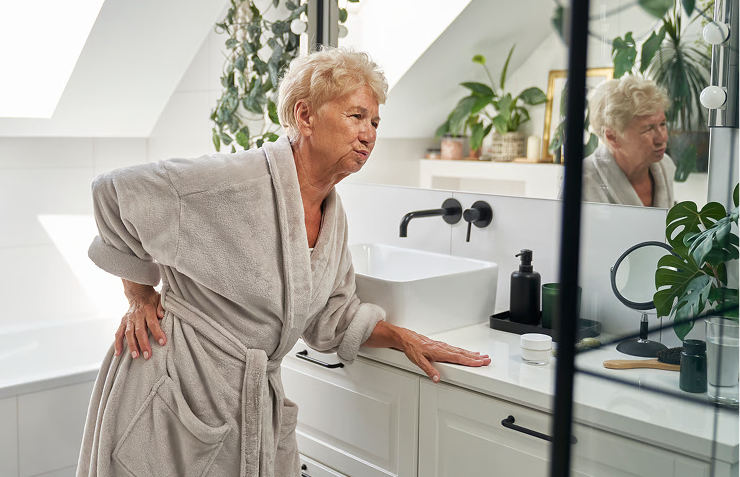
Many older adults and individuals with mobility limitations experience reduced range of motion, making it difficult to perform tasks that involve bending or stretching.
Difficulty Reaching Certain Body Areas
Using a towel effectively requires reaching areas such as the back, legs, and feet. For users with limited mobility, this can be uncomfortable or impossible without assistance.
Risk of Slips and Falls While Drying
Drying often requires users to shift their balance or move across wet surfaces, especially when using a towel. Combined with wet floors, this increases the risk of slipping.
Many bathroom accidents occur during the drying stage rather than during the shower itself.
Why Traditional Towels Limit Independence
Physical Effort Required for Drying
Towel drying requires:
- Continuous arm movement
- Grip strength
- Body coordination
These demands can be physically exhausting or unmanageable for some users.
Need for Assistance from Caregivers
When drying becomes difficult, individuals may need help from caregivers. This reduces independence and can impact privacy.
Hygiene Concerns with Reusable Towels
Towels retain moisture and can harbor bacteria, especially when reused. For individuals with sensitive or fragile skin, this can lead to irritation or infections.
What Is a Body Dryer and How It Helps
Hands-Free, Full-Body Drying Technology
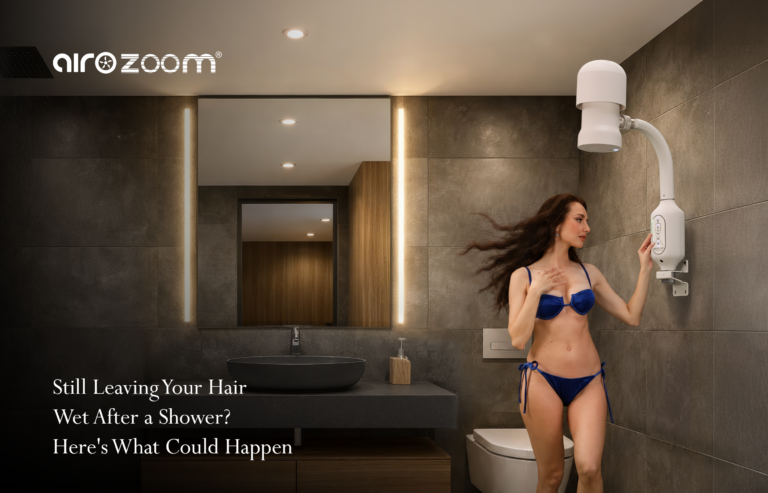
A body dryer uses controlled airflow to remove moisture from the entire body without the need for physical contact.
accessible AND FLEXIBLE USAGE
Body dryers can be used comfortably:
- While standing
- While seated on a shower chair
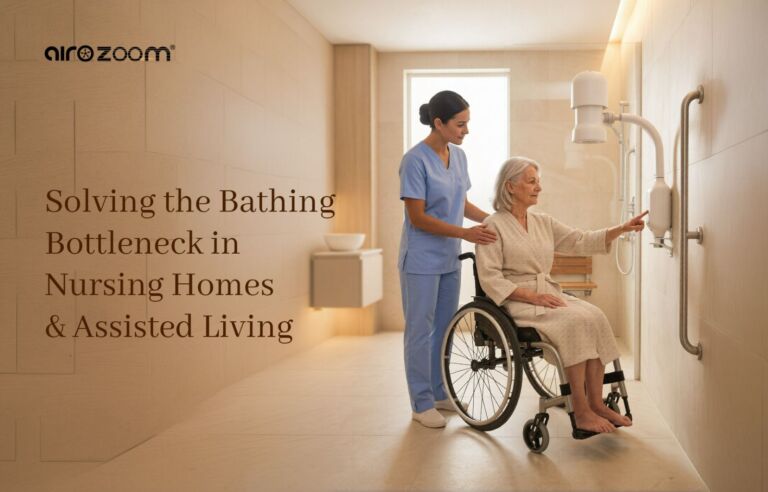
- In wheelchair-accessible shower spaces
Simple AND ACCESSIBLE CONTROLS
Modern systems are designed with user-friendly controls, allowing individuals to operate them with minimal effort.
This enables users to dry themselves independently without complex steps or physical strain.
How Body Dryers Support Independence
Eliminates the Need for Assistance
With hands-free drying, users can complete the process on their own, reducing reliance on caregivers.
Reduces Physical Strain and Effort
Body dryers remove the need for:
- Bending
- Stretching
- Repetitive movements
This makes the drying process more accessible and comfortable.
Supports Stable and Comfortable Drying
Users can remain in a stable position while drying, without needing to move across wet surfaces or balance awkwardly.
Preserves Privacy and Dignity
Being able to manage personal hygiene independently helps maintain dignity and confidence, especially for individuals who prefer privacy.
Solutions like Airozoom are designed with these needs in mind, supporting greater comfort and independence in daily routines.
Safety Benefits for Elderly and Disabled Users
Lower Risk of Slips and Falls
By reducing movement and keeping excess moisture contained to the shower area, body dryers help reduce slip hazards.
Eliminates Movement on Wet Surfaces
Users can dry themselves without stepping onto wet floors, improving overall safety.
Compatible with Grab Bars and Shower Seating
Body dryers can be integrated into accessible bathrooms alongside:
- Grab bars
- Shower chairs
- Non-slip flooring
This creates a safer and more supportive environment.
Additional Health and Hygiene Benefits
Gentle on Sensitive or Fragile Skin
Airflow drying is gentler on sensitive or aging skin than traditional towels.
Reduces Bacterial Exposure Compared to Towels
Without damp fabric, there is less opportunity for bacteria to accumulate and transfer onto the skin.
Helps Improve Drying in Hard-to-Reach Areas
Body dryers direct airflow to areas that are often difficult to dry with a towel, helping reduce excess moisture.
Use Cases and Real-Life Applications
Elderly Living Independently at Home
Body dryers enable seniors to maintain their routines safely without relying on assistance.
Disabled Users with Mobility Limitations
For individuals with limited movement, body dryers simplify the drying process and improve accessibility.
Care Homes and Assisted Living Facilities
In care environments, body dryers:
- Reduce caregiver workload
- Support daily care routines
- Support resident independence
Body Dryer vs Towels for Accessibility
Ease of Use
- Towels: Require effort and coordination
- Body dryers: Hands-free and simple
Safety
- Towels: Increased fall risk during movement
- Body dryers: Stable, stationary drying
Independence
- Towels: Often require assistance
- Body dryers: Support greater independence
Hygiene
- Towels: Can retain bacteria
- Body dryers: Reduce contamination risks
Creating an Accessible Bathroom with Body Dryers
Combining with Shower Chairs and Grab Bars
Integrating body dryers with support features enhances both safety and usability.
Placement Inside or Near the Shower Area
Installing the dryer within or near the shower area allows users to dry without moving across wet floors.
Designing for Long-Term Independence
Accessible bathroom design should focus on:
- Reducing physical effort
- Improving safety
- Supporting independence over time
Body dryers play a key role in achieving these goals.
Conclusion
Independence plays an important role in daily comfort and personal privacy for older adults and individuals with mobility limitations. Traditional towel drying often requires physical effort and movement on wet surfaces, which can make everyday routines more difficult.
Body dryers help reduce physical strain and make post-shower drying easier and more manageable. They also support greater independence by reducing the need for caregiver assistance during daily routines.
For bathrooms designed with accessibility in mind, solutions like Airozoom help create a safer and more comfortable experience.
FAQs
Can elderly people use a body dryer safely?
Yes. Body dryers are designed for hands-free use and work well in accessible bathroom environments.
Do body dryers reduce the need for caregivers?
They can help reduce reliance on caregivers by allowing users to dry themselves more independently.
Are body dryers suitable for wheelchair users?
Yes. Many body dryers can be used comfortably in seated or wheelchair-accessible shower spaces.
Are body dryers easier to use than towels for people with mobility limitations?
In many cases, yes. Body dryers offer a more comfortable and accessible drying experience compared to traditional towels.